

Studies and environmental monitoring
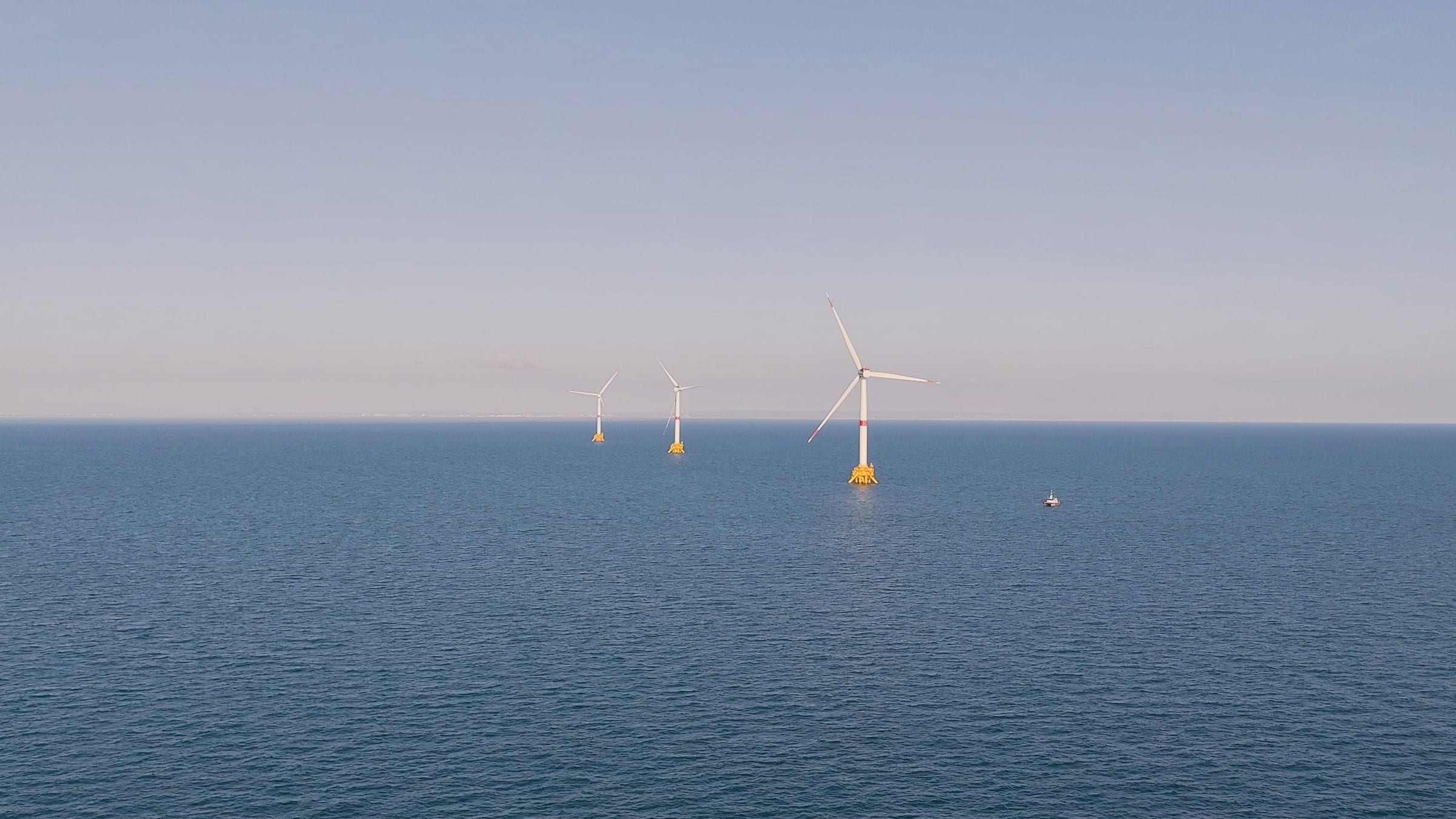
Provence Grand Large is a pilot wind project. As such, its mission is to get environmental feedback and more knowledge of the marine environment and the effects induced by the installation of floating wind turbines. To this end, Provence Grand Large has invested €3.7 million in environmental research, monitoring and knowledge acquisition programms. The environmental action plan covers a 20-year period.

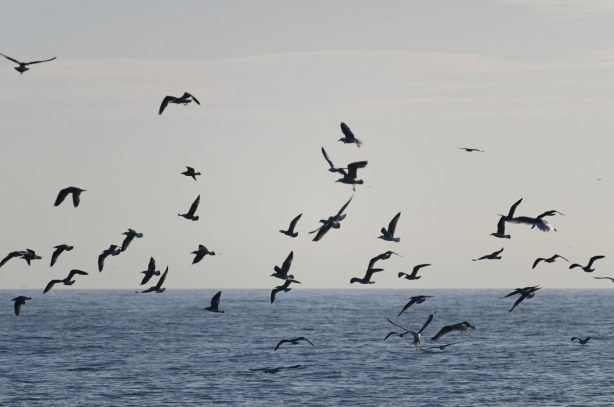
Focus on birds
A number of measures have been implemented to protect birdlife:
Radar monitoring of birds
A radar is installed on the central wind turbine. It collects data in real time, enabling a in-depth analysis of the interactions between avifauna and wind turbines.
Cameras and a scaring system
The three wind turbines are equipped with a set of cameras monitoring birds passing nearby 24/7.
These cameras are associated with acoustic warning systems designed to scare away any species getting too close.
Renovation of nesting sites
Nesting sites have been created and renovated for Mediterranean gulls and terns in collaboration with the Camargue Regional Nature Park, to protect these species from predators and improve their reproductive success.

Focus on marine megafauna
The aim of this monitoring is to draw up an inventory of the birds and marine mammals presents in the area of the floating offshore wind farm. It permit to observe and assess the behaviour of the species. Several methods were used to achieve this:
Underwater noise recording campaigns
Before and during the construction of the wind farm, hydrophones were installed at a 50 meters depth to record underwater noise in and around the project site. This allows to listen marine mammals, particularly cetaceans, which emit sounds to find their bearings in space. This operation will also be repeated during the park’s operational stage.
Biosediment monitoring
It consists in taking sediment samples (mud) to identify and quantify the animals living there. This operation was carried out before the installation of the wind turbines and was repeated identically after their installation.
Observations from boats
Between 35 and 40 dolphins were observed per trip. Shearwaters are numerous during the summer, but with the drop in temperatures in winter, few species remain on site.


